


Read the report in order of importance. First look for safety and structural findings, then expensive mechanical issues (engine, transmission, drivetrain), then wear items that will need spending soon (brakes, tyres, battery), and finally cosmetic points. Use the repair recommendations to estimate costs, then decide whether to buy, negotiate or walk away.
An inspection report can list dozens of observations. Almost every used car has some. The skill is in deciding which ones matter for this car at this price.
How our reports are organised
Each major system is given a status:
- Good — no issues found
- Attention — not urgent, but worth knowing about or budgeting for
- Repair — needs fixing, either before purchase or as a condition of the deal
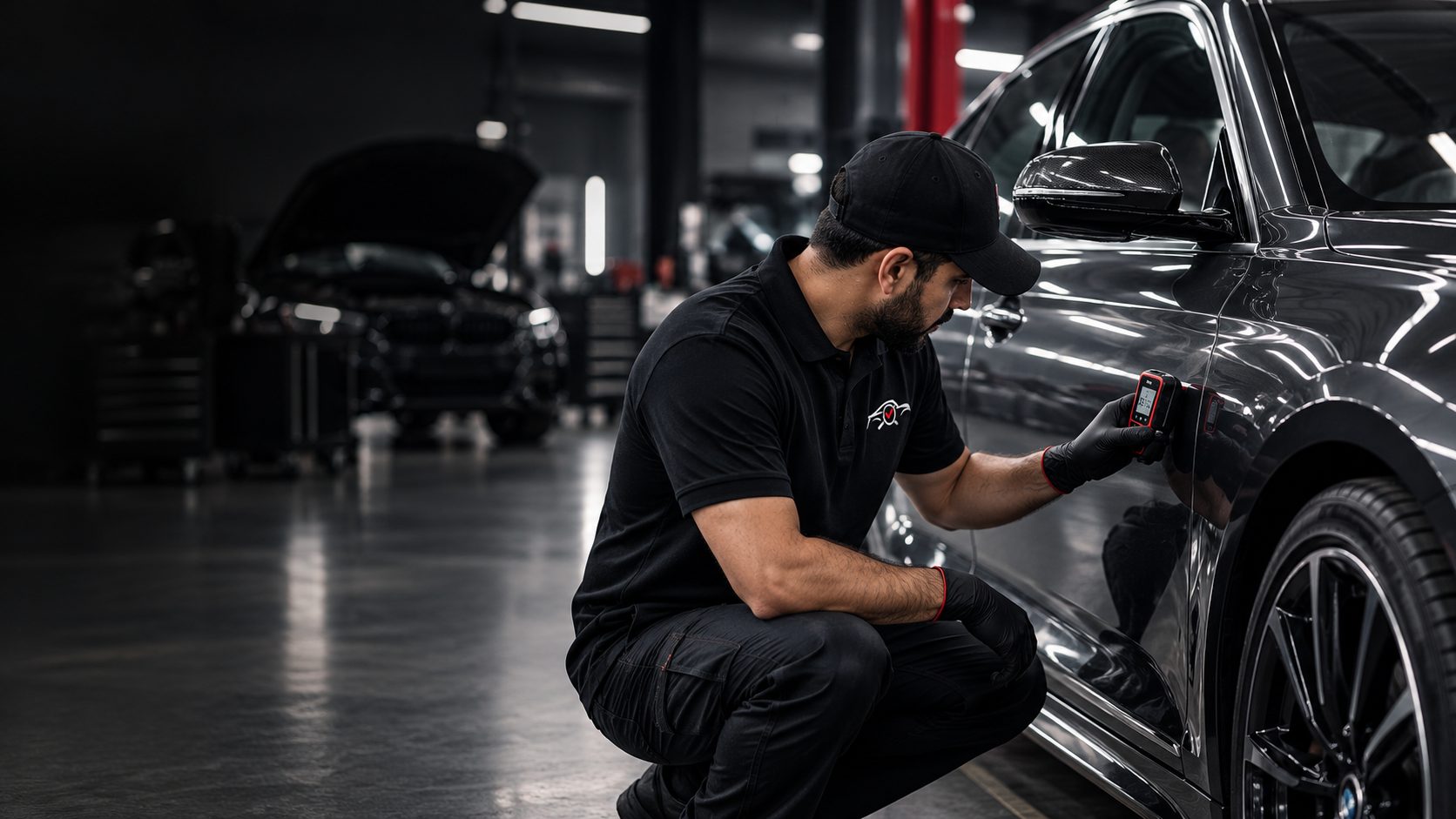
Findings come with photos, paint thickness readings, diagnostic scan results and a repair recommendations summary. See a real example in our sample report.
Read it in this order
1. Safety and structure
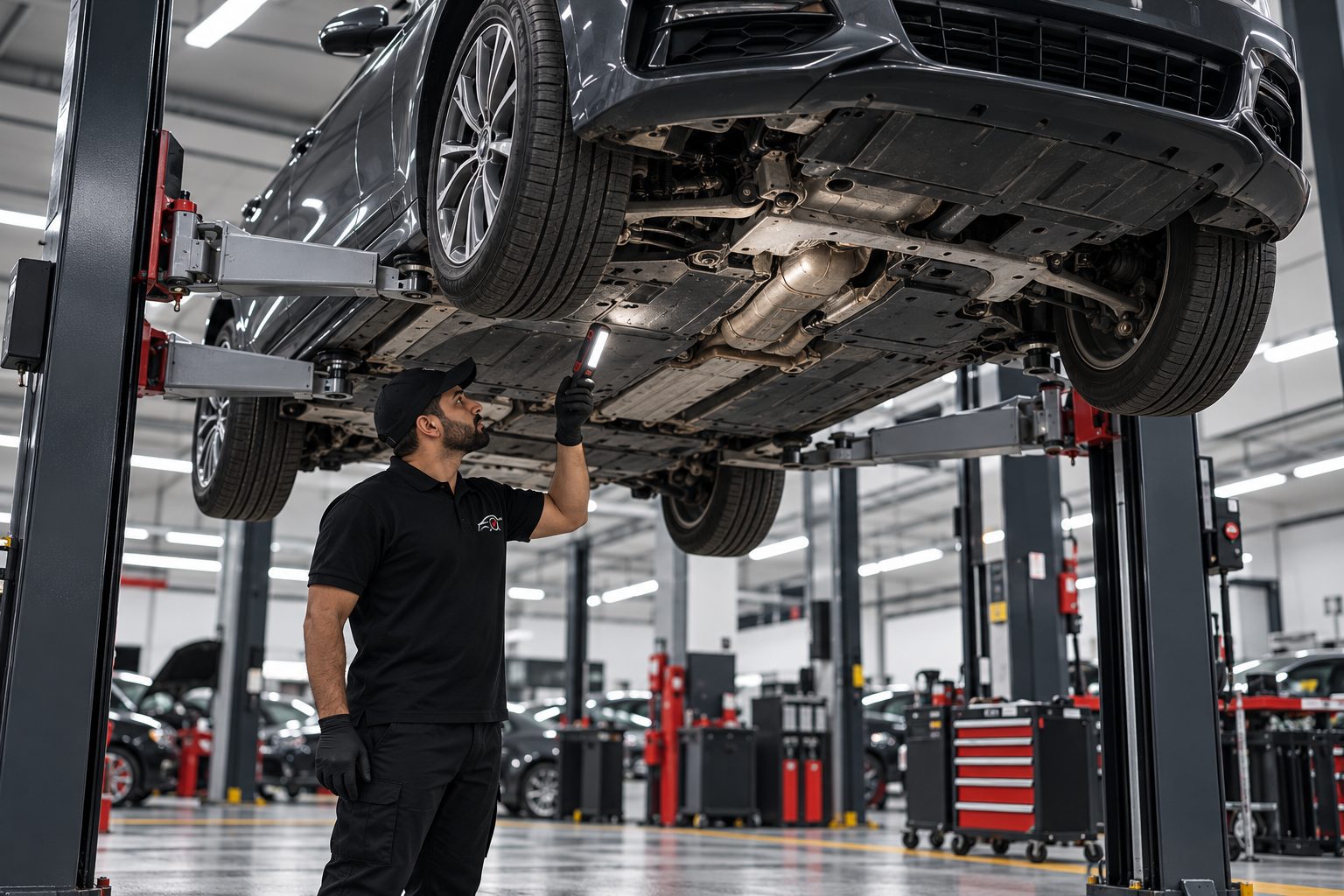
Structural damage, airbag system faults and serious brake or steering problems come first. These can affect safety and resale value and are often expensive to put right properly. Findings here are the most common reason to walk away.
2. Major mechanical systems
Engine and transmission, plus the transfer case and differentials on a 4x4. Look for leaks, warning codes, rough running or poor shifting. These are high-cost repairs, so be cautious about “it’s probably nothing”.
3. Wear items
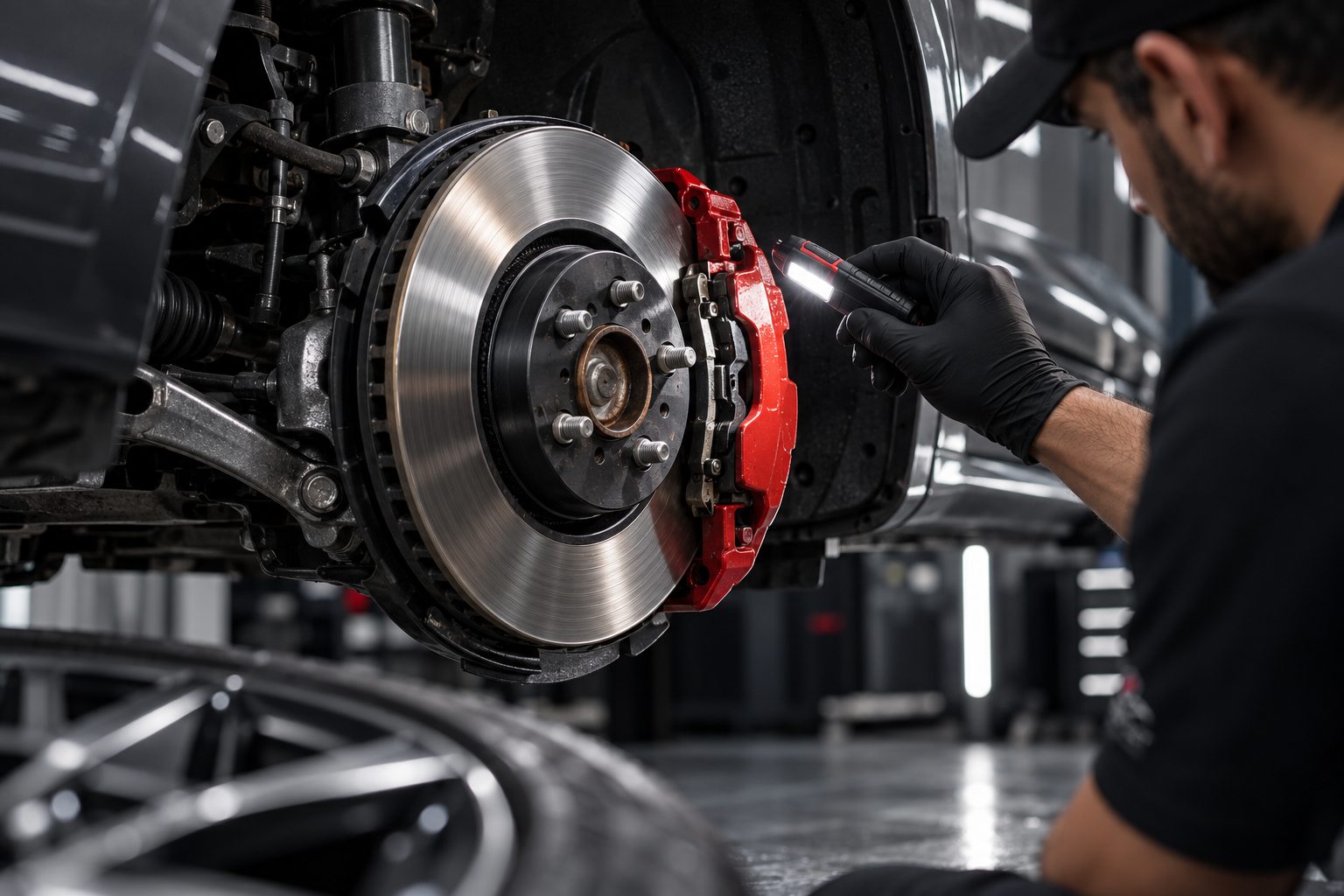
Brakes, tyres, battery, wipers and suspension bushes wear out on every car. Finding them isn’t a red flag, but they are real costs. Add them up. They’re legitimate points for negotiation.
4. Electronics and features
Cameras, sensors, infotainment and comfort features. Individually minor, but some modules are expensive, especially on luxury cars.
5. Cosmetic condition
Scratches, stone chips, interior wear. Mostly a matter of taste, unless they contradict the seller’s description or the mileage.
Look for patterns
Individual findings matter less than what they say together. For example:
- Repainted panels on one side plus uneven tyre wear plus an alignment issue can point to an accident.
- Low claimed mileage plus heavy wear on the seat, steering wheel and pedals is worth questioning.
- No fault codes plus readiness monitors that haven’t completed can suggest codes were recently cleared. See how diagnostics help.
Turn findings into a decision
- List the repair items and get rough repair costs.
- Separate deal-breakers (structural, major mechanical) from negotiating points (wear items, minor faults).
- Talk to the seller. Ask them to fix items, reduce the price, or explain findings. Invoices for past repairs help.
- Be prepared to walk away. The inspection has done its job if it stops you buying the wrong car.
Premium inspections include post-inspection Q&A support, so you can ask the inspector about anything in the report.
Remember the limits
A report describes the car on the day of the inspection. Read what an inspection can and cannot guarantee.